In today’s interior design, the difference between a good space and a great one often comes down to the details. Among those details, custom rugs are becoming increasingly important.
Rather than treating rugs as decorative accessories, designers are now using them as foundational elements that shape how a space feels and functions.
Moving Beyond Standard Sizes
Standard rugs often limit design possibilities. They may be too small, too large, or simply not aligned with the layout of a room.
Custom rugs solve this problem by allowing designers to work without constraints. Whether it’s a large open living space or a uniquely shaped room, custom rugs ensure that proportions feel natural and intentional.
Material as a Design Statement
Material plays a key role in how a space is experienced.
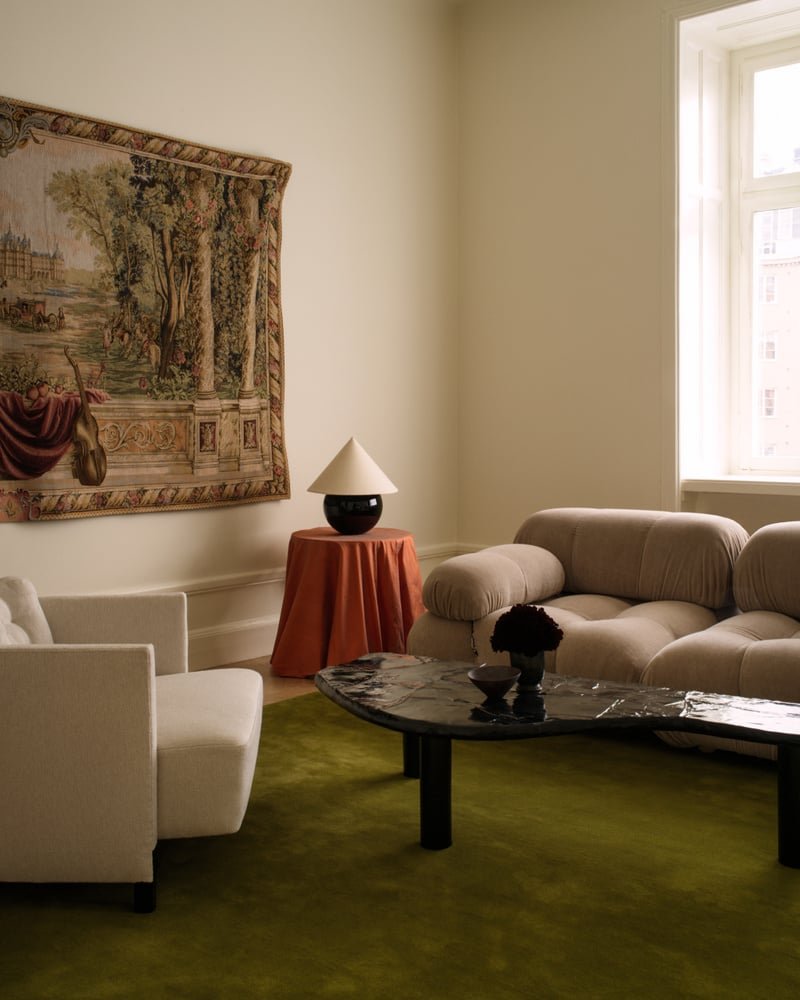
Wool rugs, for example, offer a balance of softness, durability, and natural texture. They bring warmth into modern interiors that often feature hard materials like wood, stone, or concrete.
In high-end projects, the choice of material is not just functional — it becomes part of the design language.
Creating Visual Balance
A well-designed rug connects the elements within a room.
It can anchor furniture, soften contrasts, and guide the flow of movement. With custom carpets, designers can control color, pattern, and scale, ensuring the rug complements the overall concept.
This level of control is what elevates a space from ordinary to refined.
Designed for the Way Spaces Are Used
Modern interiors are more flexible than ever. Spaces are open, multifunctional, and constantly evolving.
Custom rugs allow interiors to adapt to these changes. They can define zones, improve acoustics, and add comfort without introducing physical barriers.
Conclusion
Custom rugs are no longer optional in high-end interior design — they are essential.
By combining flexibility, material quality, and thoughtful design, custom rugs help create spaces that feel complete, balanced, and intentional.